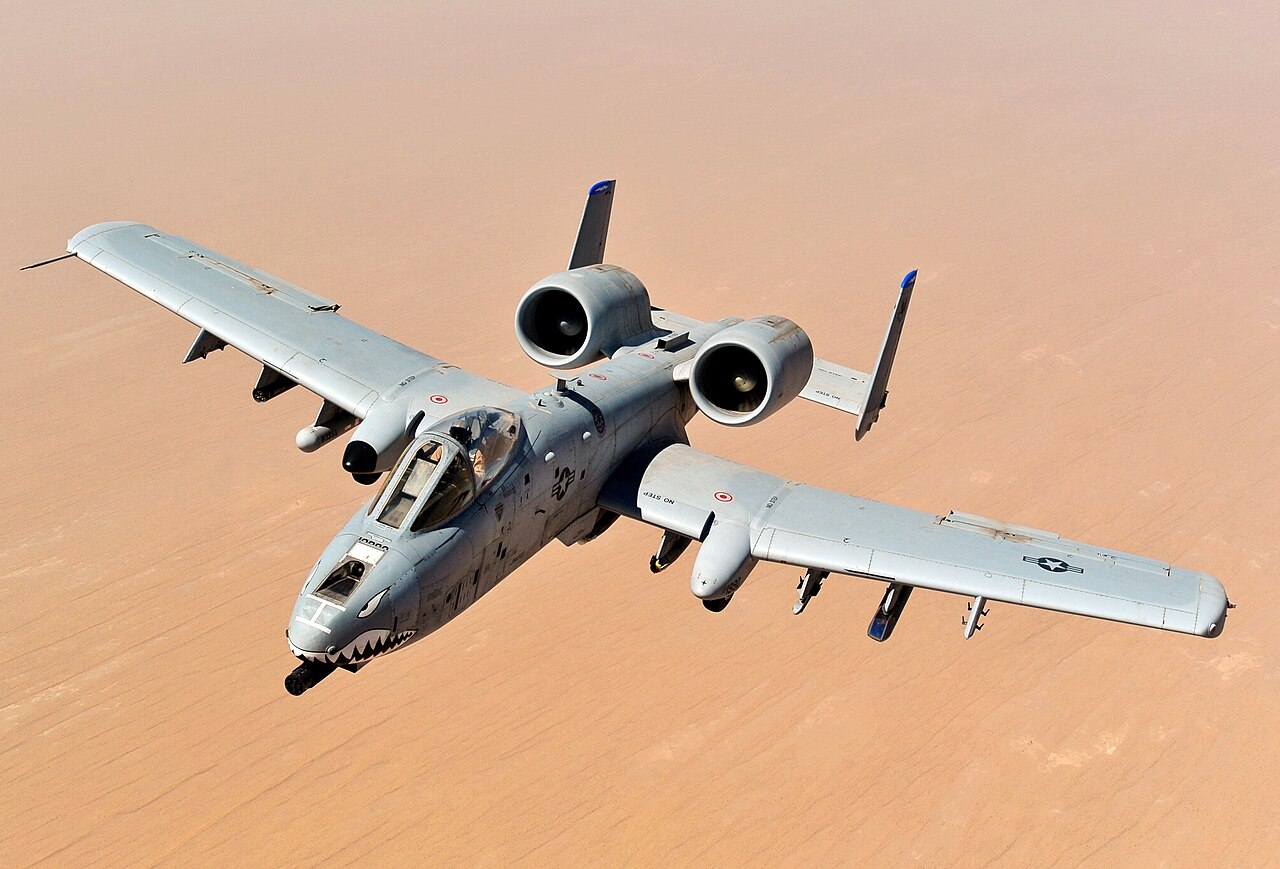
The Unmistakable Presence of the A-10 Warthog in Kuwait
When reflecting on the critical aerial operations of the Gulf War, specifically the American-led intervention against Iraq's invasion of Kuwait, one aircraft consistently emerges as a symbol of rugged resilience and unwavering ground support: the Fairchild Republic A-10 Thunderbolt II. More affectionately known as the "Warthog," this formidable gevechtsvliegtuig koeweit played a pivotal role in shaping the conflict's outcome, distinguishing itself through its unique design, unparalleled close air support capabilities, and remarkable durability.
Serving with the United States Air Force (USAF) since 1977, the A-10 was a product of a very specific need: to provide dedicated close air support (CAS) for ground troops. Unlike multi-role fighters, the Warthog was conceived, designed, and built solely for this mission – attacking enemy armored vehicles, tanks, and other ground forces with devastating precision. Its effectiveness over the Kuwaiti theater of operations cemented its legendary status, proving the enduring value of a purpose-built platform in the chaos of modern warfare.
Born for the Battlefield: A Design Philosophy Like No Other
The A-10 Warthog's design philosophy was revolutionary in its singular focus. While other aircraft juggled air-to-air combat with ground attack, the Warthog was designed from the ground up to be the ultimate tank killer and infantry protector. This specialization manifested in several key features:
- The GAU-8 Avenger: At the heart of the A-10 lies its iconic 30 mm GAU-8 Avenger rotary autocannon. This Gatling-style gun is one of the most powerful aircraft cannons ever devised, capable of firing depleted uranium rounds at an astonishing rate of nearly 4,000 rounds per minute. The aircraft was literally built around this weapon, with the gun's barrel offset slightly to the left to allow the firing barrel to align with the aircraft's centerline, ensuring maximum accuracy. The distinctive "brrrrrrt" sound of the GAU-8 unleashing its fury became a chilling symphony for enemy forces and a comforting beacon for allied ground troops.
- Unparalleled Durability and Survivability: The battlefield is a dangerous place, and the A-10 was engineered to survive it. Its airframe incorporates 1,200 pounds (approximately 540 kg) of titanium armor, especially around the cockpit and vital aircraft systems. This "bathtub" armor allowed the Warthog to absorb significant damage from ground fire and continue its mission, often returning to base with gaping holes but still fully operational. This level of survivability was critical for an aircraft operating at low altitudes, directly in harm's way.
- Operational Flexibility: The A-10's straight-wing design not only provides exceptional maneuverability at low speeds and altitudes – crucial for CAS – but also allows it to operate from relatively short and even unpaved runways. This capability meant that Warthogs could be stationed closer to the front lines, reducing transit times and increasing their responsiveness to ground troop requests. Furthermore, its simple design facilitates maintenance with minimal facilities, a significant advantage in forward operating environments.
A-10 Warthog: The Backbone of Close Air Support in Operation Desert Storm
During Operation Desert Storm, the A-10 Warthog truly found its calling. As coalition forces moved to liberate Kuwait from Iraqi occupation, the need for effective CAS was paramount. Iraqi armored divisions posed a significant threat, and the Warthog was uniquely equipped to neutralize them.
The A-10's primary mission in Kuwait was to seek out and destroy Iraqi tanks, armored personnel carriers, and artillery pieces. With its potent GAU-8 cannon and a vast array of air-to-ground ordnance – including AGM-65 Maverick missiles and various bombs – the Warthog decimated Iraqi ground forces. Pilots, flying low and slow, were able to identify and engage targets with precision, often operating in direct visual contact with friendly troops.
Its secondary role as an OA-10, or forward air controller (FAC)-airborne, also proved invaluable. In this capacity, the A-10 directed other aircraft in attacks on ground targets, using its superior loiter time and battlefield awareness to coordinate complex aerial assaults. This dual capability further amplified its impact on the ground.
While the exact number varies by source, A-10s were credited with destroying a significant percentage of Iraqi tanks, armored vehicles, and artillery pieces during the conflict. Their presence was a major psychological boost for ground troops, who knew that the "Hog" above meant immediate and devastating support was just moments away. This robust performance is precisely how the A-10 distinguished itself, becoming an indispensable asset in the liberation of Kuwait.
It's important to acknowledge that the intense and complex air operations over Kuwait were not without their challenges and tragedies. The fog of war and the sheer volume of air traffic, involving various types of gevechtsvliegtuig koeweit, unfortunately led to incidents. Reports, for instance, indicated concerns over potential friendly fire incidents involving US fighter jets operating in the region. These unfortunate occurrences highlight the inherent risks and complexities of large-scale military engagements, even as individual platforms like the A-10 performed admirably under pressure.
Legacy Beyond Kuwait: Continued Relevance and Evolution
The A-10's stellar performance in Kuwait was not an isolated incident. Since Desert Storm, the Warthog has continued to serve with distinction in numerous conflicts around the globe, including the Balkans, Afghanistan, the Iraq War (Operation Iraqi Freedom), and against the Islamic State in the Middle East. In each theater, its unique capabilities for CAS and battlefield persistence have made it a favorite among ground forces.
Despite persistent efforts to retire the airframe, the A-10's proven effectiveness and the high regard in which it's held by ground troops have ensured its longevity. In 2005, a significant upgrade program was initiated, converting the A-10A single-seat variant to the more modern A-10C configuration. These upgrades equipped the Warthog with advanced avionics, improved targeting pods, and the ability to employ precision-guided munitions, ensuring its continued relevance in a rapidly evolving threat landscape.
The A-10 Warthog's story in Kuwait is a testament to the power of purpose-driven design. In an era dominated by advanced stealth fighters and multi-role jets, the Warthog remains a powerful reminder that sometimes, the most effective tool for the job is one built specifically for it – tough, resilient, and utterly dedicated to supporting those on the ground. Its enduring legacy is a powerful argument for maintaining a specialized close air support capability, capable of delivering devastating firepower and unparalleled protection when it matters most.